
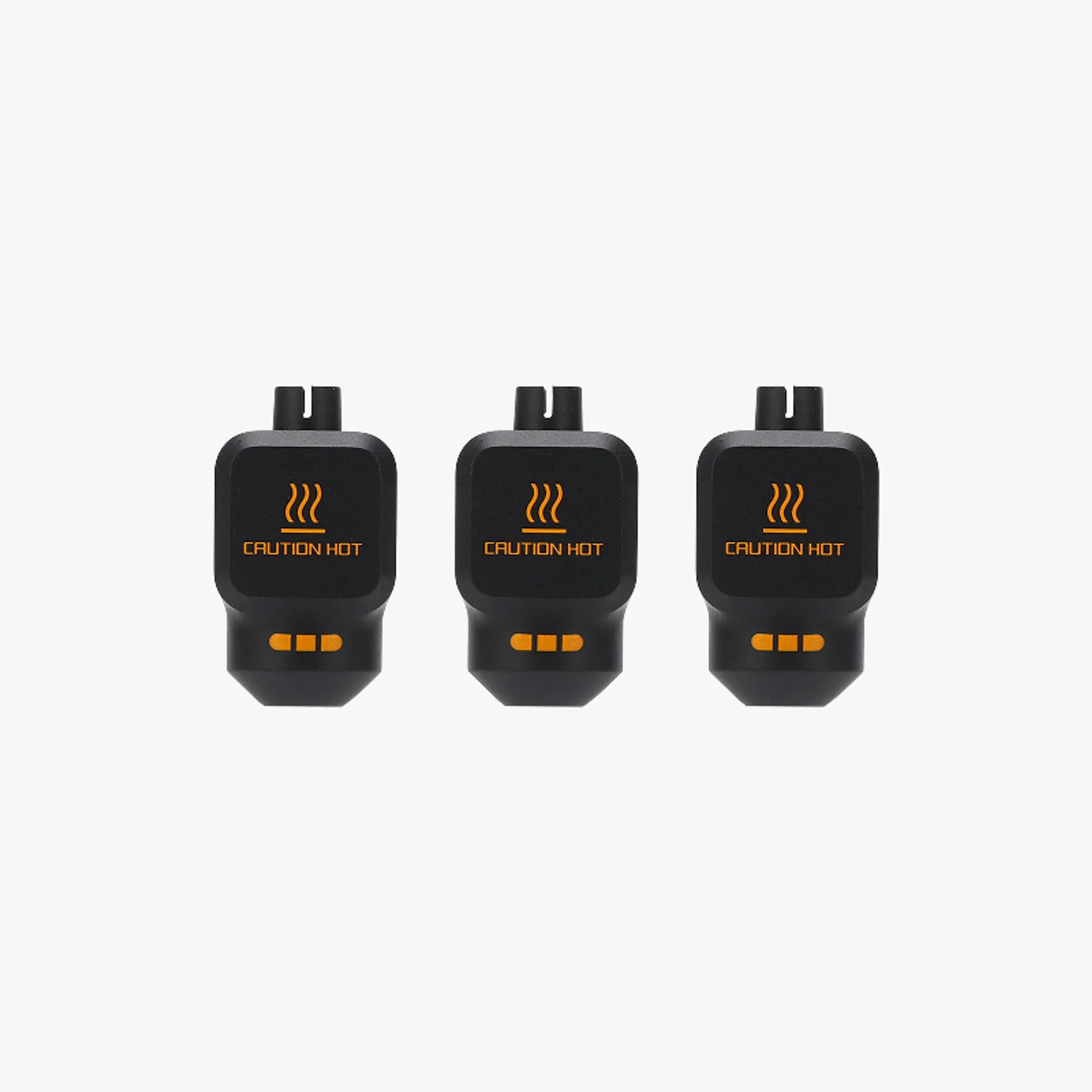
Silicone Sock for Hotend-P2S,X2D
Return within 2 days of purchase.
Guarantee Safe Checkout
Silicone Sock for Hotend-P2S,X2D
You should replace the silicone hotend cover if any of the following signs occur:
1. Cracks or Damage
If the silicone cover shows visible cracks or tears, it should be replaced immediately. Any opening can compromise the insulation performance of the hotend, allowing heat to escape and resulting in unstable printing temperatures.
2. Looseness or Detachment
The silicone cover should fit tightly around the hotend. If it becomes loose or easily slips off, it cannot effectively protect the nozzle and heating block. Cold air from the environment may cause temperature fluctuations and could interfere with the printer’s wiping or leveling functions.
3. Deformation Due to Prolonged High Temperatures
Extended exposure to high temperatures can cause the silicone cover to stretch or deform, preventing it from fitting tightly or fully covering the hotend. If deformation is observed, replacement is necessary.
4. Frequent Filament Build-up on the Heating Block
If you notice frequent residue or filament build-up around the hotend, it may indicate that the silicone cover has failed. A damaged cover cannot effectively block oozing or retracted filament, which can lead to clogging and other issues.
5. Discoloration or Brittleness
Prolonged high temperatures can cause the silicone to age, discolor, or become brittle. If any of these signs appear, the cover is nearing failure and should be replaced as soon as possible.
6. Friction With Moving Parts (e.g, Nozzle Wiper)
If the cover comes into contact with the other parts of the 3D printer, it may tear or shift out of place. Repeated friction can cause physical wear or misalignment, exposing the nozzle or heating block and affecting heat retention and distribution. It is recommended to inspect the silicone cover after cleaning.


